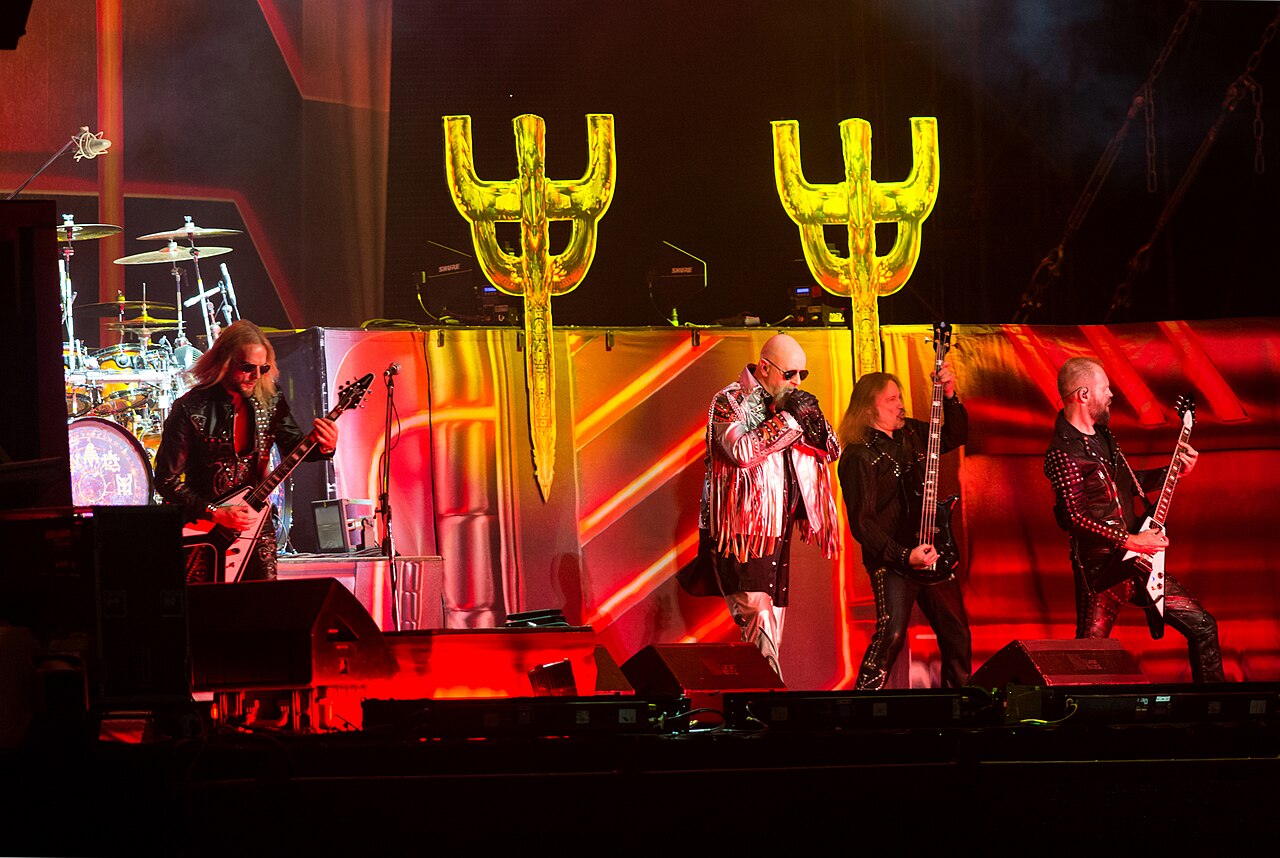
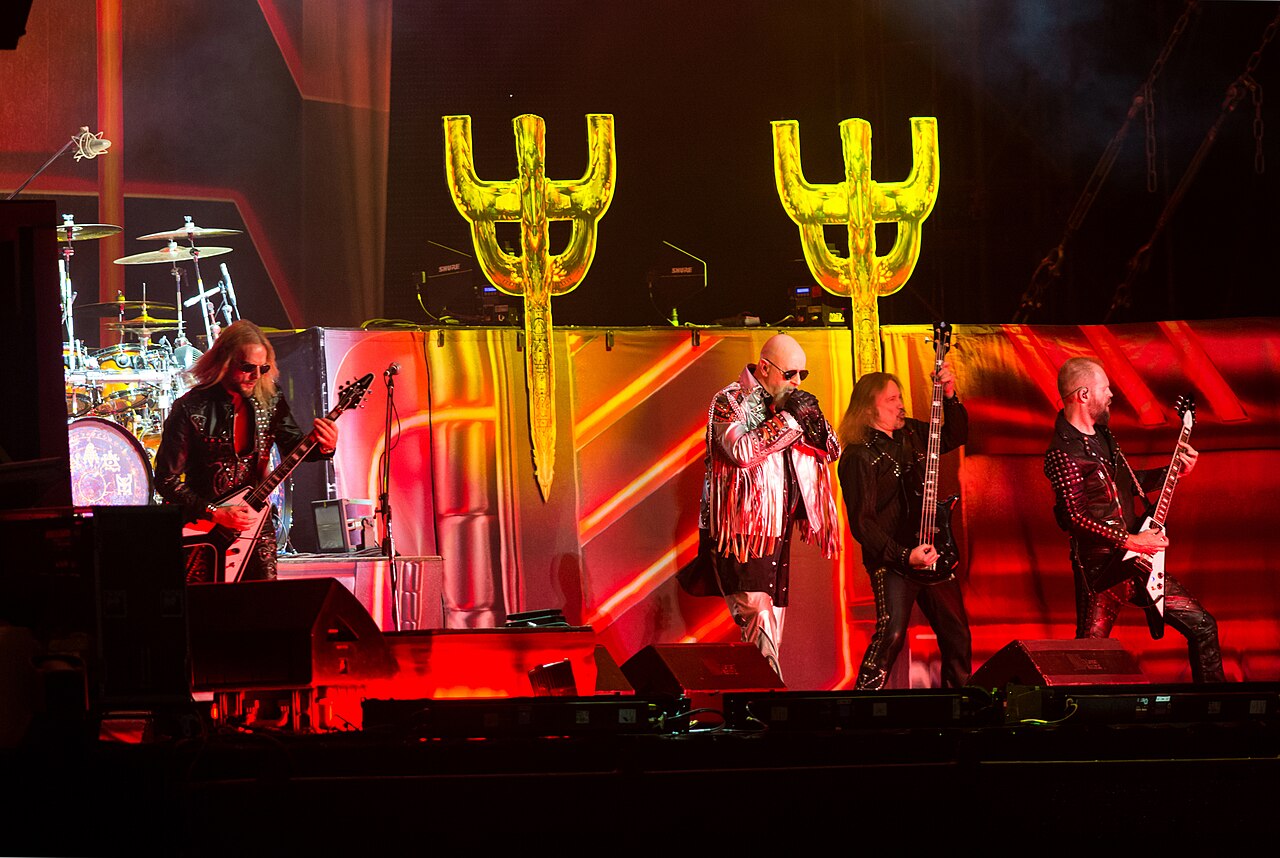
Ian Hill, founding bassist and longest-serving member of Judas Priest, has announced his retirement from the band after 56 years, citing an ongoing battle with arthritis. Uriah Heep's Davey Rimmer will fill in for the remaining tour dates.
The Ian Hill retirement marks the end of an era for one of heavy metal's most influential acts. Hill has been the sole constant member since the band's formation in Birmingham, England in 1969, anchoring Judas Priest's sound through every lineup change, every album, and every tour across more than five decades.
While the band has not released an official statement detailing the specifics of Hill's condition, the Judas Priest arthritis diagnosis has clearly made it impossible for the founding member to continue performing at the level demanded by the band's relentless touring schedule and technically demanding catalog.
A Metal Foundation
Judas Priest stands as one of heavy metal's true architects. From their early pioneering work in the 1970s through genre-defining albums like British Steel, Screaming for Vengeance, and Painkiller, the band helped establish the sonic and visual template for heavy metal itself. Their twin-guitar attack, leather-and-studs aesthetic, and Rob Halford's operatic vocal range became foundational elements of the genre.
Hill's bass work provided the low-end thunder beneath some of metal's most iconic riffs and anthems. While often operating in the shadows of the band's flashier elements, his steady presence and muscular bass lines were essential to the Judas Priest sound that influenced countless bands across multiple generations.
The Metal Hall of Fame inducted Judas Priest in recognition of their immense contributions to heavy metal and their lasting influence on the genre. Hill's 56-year commitment to the band represents one of the longest tenures in rock music history, a testament to both his dedication and his integral role in the band's enduring success.
As Hill steps away from the stage, the metal community recognizes not just the end of a career, but the closing of a chapter in heavy metal history itself. His legacy as a founding member of one of the genre's most important bands remains secure.